
Choosing the Right Indoor Plant Pots: A Guide for Wholesale Buyers
Introduction to Indoor Plant Pots
Indoor plant pots are essential components for any thriving indoor garden, whether in a residential home or a commercial space. The right pots not only enhance the aesthetic appeal of indoor plants but also play a critical role in their health and growth. For wholesale buyers, understanding the nuances of indoor plant pots can significantly impact their purchasing decisions and ultimately, their bottom line.
The wholesale market for indoor plant pots has seen substantial growth due to the rising popularity of indoor gardening. Consumers are increasingly aware of the benefits of plants in improving air quality and enhancing mental well-being, driving demand for aesthetically pleasing and functional pots. This trend presents a valuable opportunity for wholesale buyers to capitalize on by selecting the right products that meet market needs.
Specifications of Indoor Plant Pots
When selecting indoor plant pots, several specifications must be considered to ensure that they align with both customer expectations and plant requirements.
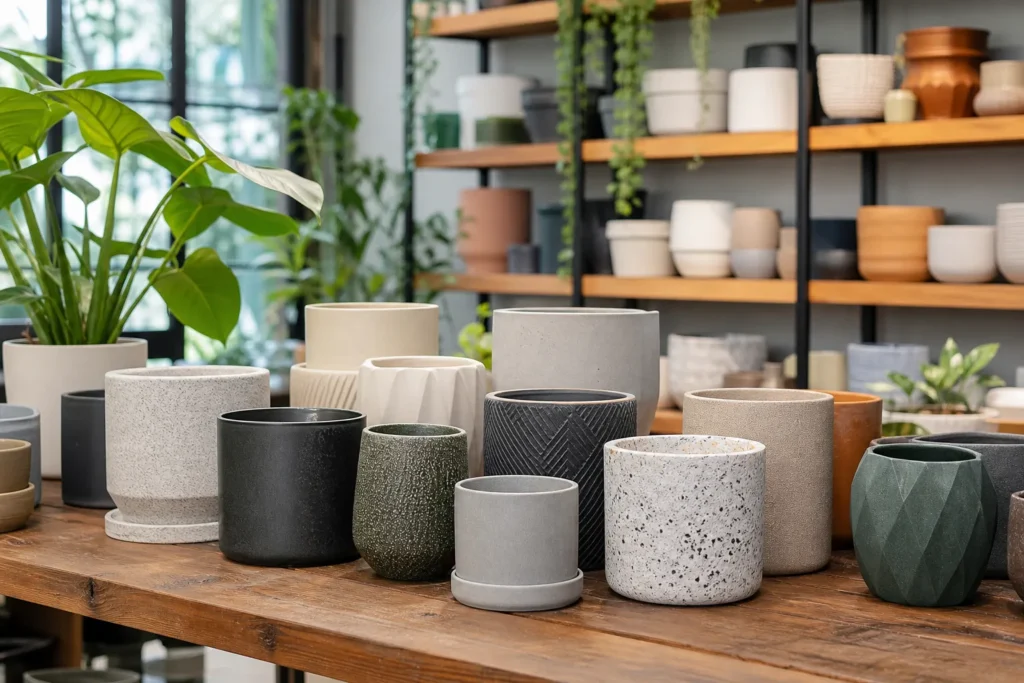
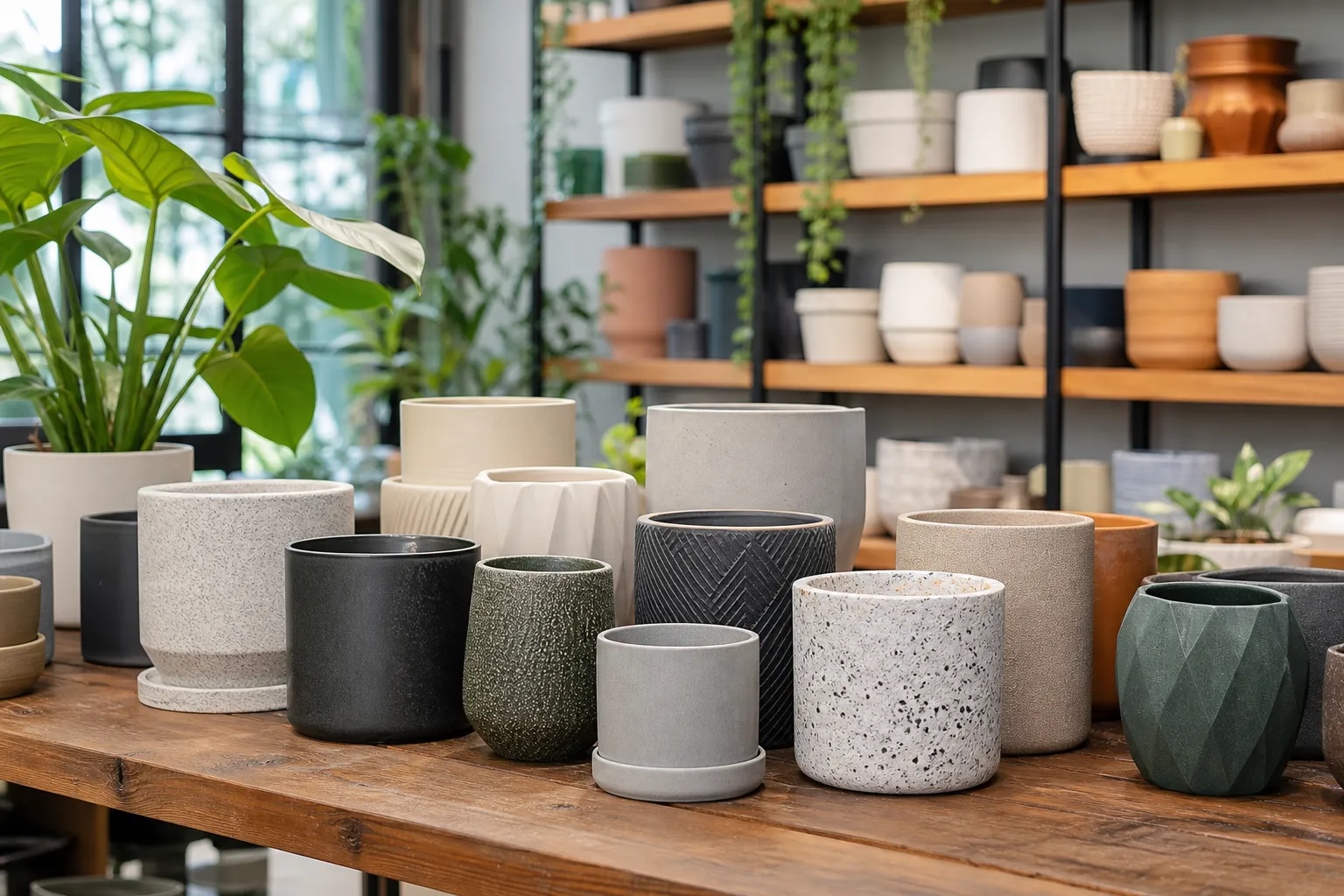
**Materials Used in Plant Pots**: The most common materials for indoor plant pots include plastic, ceramic, and metal. Each material has its unique characteristics, affecting durability, weight, and aesthetic appeal. For instance, plastic pots are lightweight and often more affordable, while ceramic pots offer a more upscale look but can be heavier and more fragile. For a wide selection of options, check out our products page.
**Sizes and Dimensions**: Indoor plant pots come in various sizes, from small pots for seedlings to larger containers for mature plants. It’s crucial for wholesale buyers to stock a range of sizes to cater to different plant types and customer preferences.
**Drainage Features**: Proper drainage is vital to prevent overwatering, which can lead to root rot. Buyers should look for pots with drainage holes or consider self-watering options that help manage moisture levels more effectively.
Use Cases for Indoor Plant Pots
Understanding the use cases for indoor plant pots can help wholesale buyers tailor their inventory to meet specific market demands.
**Residential vs. Commercial Use**: Residential buyers often seek pots that complement their home decor, while commercial buyers may prioritize durability and ease of maintenance. Offering a diverse selection of pots suitable for both markets can enhance sales opportunities.
**Specific Plant Types and Their Requirements**: Different plants have varying needs in terms of pot size, material, and drainage. For instance, succulents require pots with excellent drainage, while tropical plants may thrive in more moisture-retentive containers. Wholesale buyers should consider stocking pots that cater to popular plant varieties, which can be explored further in our blog.
**Seasonal Considerations**: Seasonal trends can also influence pot selection. For example, during the spring and summer months, buyers may prefer lighter colors and more decorative options, while fall and winter may see a demand for more robust, earthy tones.
Comparing Different Types of Indoor Plant Pots
When evaluating indoor plant pots, it’s essential to compare the various types available in the market.
**Plastic vs. Ceramic vs. Metal**: Each material offers distinct advantages. Plastic pots are lightweight and versatile, making them suitable for a broad range of plants. Ceramic pots, while more decorative, can be prone to cracking. Metal pots are durable but may retain heat, affecting plant health. Wholesale buyers should consider the pros and cons of each when selecting their inventory.
**Eco-Friendly Options**: With the growing emphasis on sustainability, eco-friendly pots made from recycled materials or biodegradable options are gaining popularity. Offering these alternatives can attract environmentally conscious consumers.
**Cost Analysis**: Pricing is a crucial factor for wholesale buyers. While ceramic pots may have higher upfront costs, their aesthetic appeal can justify the price. Conversely, plastic pots may offer better margins due to their lower cost. A thorough cost analysis can help buyers make informed decisions.
Sourcing Indoor Plant Pots for Wholesale
Finding the right suppliers is key to a successful wholesale operation.
**Finding Reliable Suppliers**: Researching and establishing relationships with reputable manufacturers or distributors can ensure a consistent supply of quality indoor plant pots. Attending trade shows and industry events can be beneficial for networking.
**Evaluating Quality and Pricing**: It’s essential to assess the quality of pots before making bulk purchases. Requesting samples can help buyers evaluate the durability and aesthetics of the products. Additionally, comparing pricing across different suppliers can help secure the best deals.
**Negotiating Bulk Orders**: Wholesale buyers should be prepared to negotiate terms, including pricing, payment conditions, and shipping arrangements. Building strong relationships with suppliers can lead to better deals and exclusive offers.
Implementation and Display Strategies
Once indoor plant pots are sourced, effective implementation and display strategies can enhance sales.
**Arranging Pots for Aesthetic Appeal**: Creating visually appealing displays can attract customers. Grouping pots by size, color, or plant type can help create an inviting shopping experience.
**Indoor Plant Care Tips**: Providing care instructions for plants and pots can enhance customer satisfaction and encourage repeat business. Consider including care guides with purchases or on product packaging.
**Seasonal Display Ideas**: Adjusting displays to reflect seasonal themes can keep the inventory fresh and engaging. For example, incorporating holiday decorations or seasonal plants can entice shoppers.
Frequently Asked Questions
**Common Concerns for Wholesale Buyers**: Wholesale buyers often have questions regarding minimum order quantities, shipping times, and return policies. Addressing these concerns upfront can streamline the purchasing process.
**Maintenance and Longevity of Pots**: Buyers may inquire about the durability of different pot materials and how to maintain them. Providing clear information can help customers make informed decisions.
**Shipping and Handling Considerations**: Understanding the logistics of shipping and handling is crucial for wholesale buyers. Ensuring that pots are packaged securely can prevent damage during transit and maintain product quality.
Conclusion
Choosing the right indoor plant pots is a critical decision for wholesale buyers looking to capitalize on the growing indoor gardening trend. By understanding the specifications, use cases, and sourcing strategies, buyers can make informed choices that align with market demands. With the right approach, wholesale buyers can enhance their inventory and drive sales in this thriving market.